Radon is one of the most important indoor air quality concerns for homeowners in Idaho Falls, yet many people do not know it is present until they test for it. Because radon is colorless, odorless, and tasteless, it cannot be seen, smelled, or detected without proper testing.
For families, homebuyers, sellers, landlords, and property managers, radon testing in Idaho Falls is a smart step toward understanding whether a home has elevated radon levels. This is especially important in Southeast Idaho, where soil conditions, basements, crawl spaces, and foundation openings can all affect how radon enters a home.
The Idaho Department of Health and Welfare states that 2 out of 5 Idaho homes have elevated radon levels, and the only way to know a home’s level is to test. Learn more at Idaho radon information.
Why Radon Testing Matters for Idaho Falls Homes
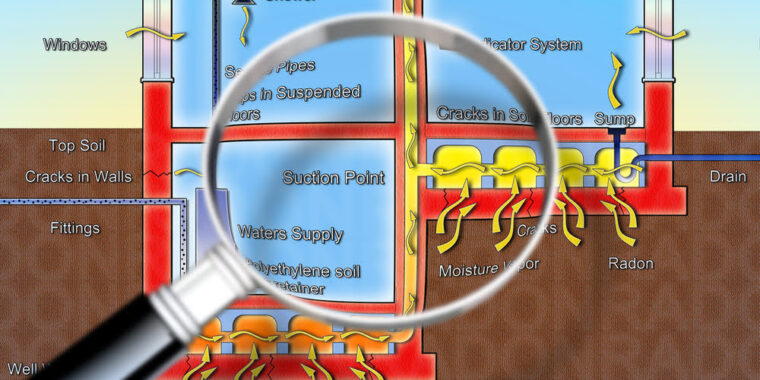
Radon is a naturally occurring radioactive gas that forms from the breakdown of uranium in soil and rock. It can move through the ground and enter homes through cracks, gaps, crawl spaces, floor drains, sump openings, and other foundation entry points.
Once radon enters a home, it can build up indoors, especially in lower levels such as basements and crawl spaces. This is why home radon testing in Idaho Falls is important, even if the home looks clean, well-maintained, or recently built.
The EPA explains that testing is the only way to know whether a home has elevated radon levels, and homeowners can use test kits or hire a certified professional to perform the test. For more guidance, visit EPA radon information.
A home may need a radon test in Idaho Falls if:
The home has never been tested before.
The home has a basement, crawl space, or lower living area.
The property is being bought or sold.
Renovations or foundation work were recently completed.
A previous radon test was done several years ago.
A mitigation system is already installed and needs performance verification.
Radon testing is not just for older homes. Newer homes can also have elevated radon levels depending on soil conditions, construction details, ventilation, and foundation design.
When Should Homeowners Schedule Radon Testing?
Homeowners should schedule radon testing in Idaho Falls whenever they need an accurate reading of indoor radon levels. Since radon levels can change over time, testing once does not always mean a home will remain at the same level forever.
Here are the most important times to schedule a professional test.
Before Buying a Home
Radon testing before buying a home is one of the best ways to avoid surprises after closing. A house may look move-in ready, but radon levels cannot be confirmed without testing.
For buyers, professional radon testing in Idaho Falls can help identify whether mitigation should be considered before finalizing the purchase. It can also give buyers confidence that the home’s indoor air quality has been properly evaluated.
Before Selling a Home
Sellers can also benefit from a radon inspection in Idaho Falls before listing. Testing before the home goes on the market can help prevent delays during inspection periods and give potential buyers more confidence.
If results are low, sellers can share that information during the transaction. If results are elevated, they can address the issue before it becomes a negotiation concern.
After Home Renovations or Foundation Work
Radon testing after home renovations is strongly recommended when work affects the foundation, basement, crawl space, HVAC system, flooring, or ventilation. Even changes that improve the home can affect how air moves through the structure.
Examples include:
Basement finishing
Crawl space repairs
Foundation sealing
New flooring installation
HVAC upgrades
Adding living space to a lower level
After these updates, a new radon gas testing Idaho Falls appointment can confirm whether radon levels have changed.
When Using a Basement or Lower Level More Often
Basements are common in Idaho Falls homes, and they are often used as family rooms, bedrooms, offices, rental spaces, or storage areas. Since radon typically enters from the ground, lower levels are often the first place homeowners should test.
If your family spends more time in a basement or lower level, scheduling radon testing for homes in Idaho Falls is a practical step toward understanding the air quality in the areas where people spend the most time.
Every Few Years, Even If a Previous Test Was Low
Radon levels can change due to seasonal shifts, soil movement, home repairs, ventilation changes, and aging foundation materials. That means a low result from years ago does not always guarantee the same level today.
For ongoing peace of mind, homeowners should consider periodic Southeast Idaho radon testing, especially if the home has not been checked in several years.
DIY Radon Testing vs. Professional Radon Testing
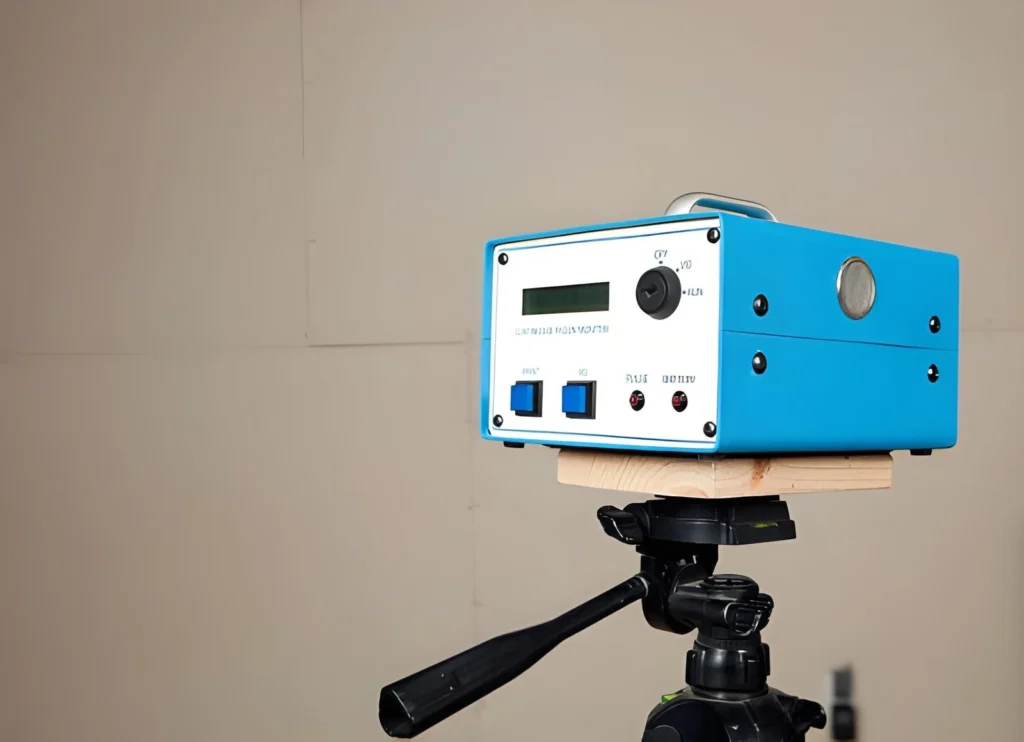
DIY radon test kits can be useful for basic screening, but professional testing provides several advantages when accuracy, documentation, and timing matter.
A DIY kit usually requires the homeowner to place the device, follow instructions carefully, mail the test to a lab, and wait for results. If the kit is moved, exposed to unusual airflow, placed incorrectly, or used during improper conditions, the results may not be as reliable.
Professional testing is different. Teton Radon Services uses CRM and charcoal testing and can provide accurate results within 48 hours. Continuous radon monitor testing can track radon activity over the testing period, helping provide a clearer picture of indoor conditions.
Professional testing is especially helpful for:
Real estate transactions
Homes with basements or crawl spaces
Families are concerned about long-term exposure
Landlords and property managers
Homes with previously elevated results
Post mitigation verification
When results matter, certified radon testing gives homeowners more confidence in the next step.
To schedule local testing, homeowners can visit Teton Radon Services’ radon testing services page.
What Radon Test Results Mean
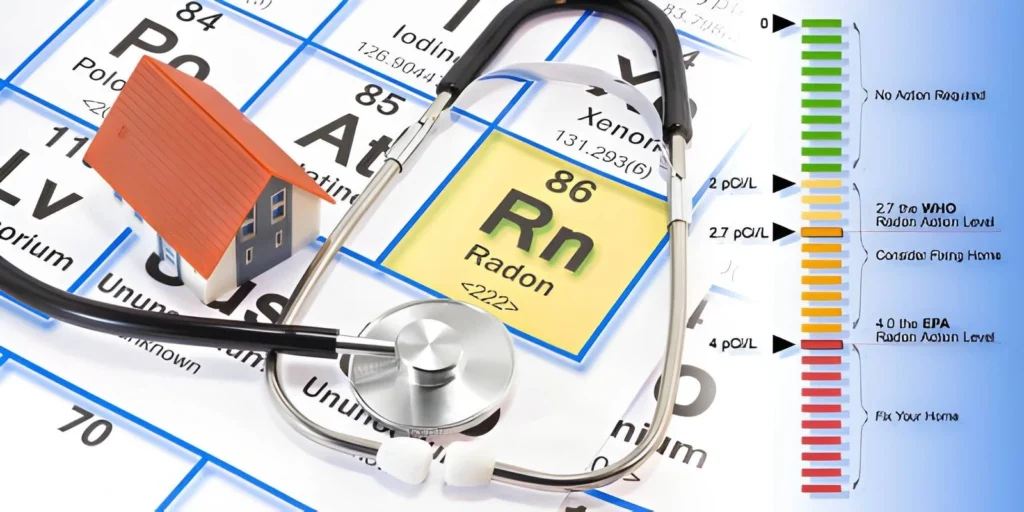
Radon test results are usually measured in picocuries per liter, written as pCi/L. The EPA recommends fixing homes when radon levels are 4 pCi/L or higher. The EPA also notes that because there is no known safe level of radon exposure, homeowners may consider fixing homes with levels between 2 pCi/L and 4 pCi/L.
Here is a simple way to understand results:
Below 2 pCi/L: Generally considered lower, but continued periodic testing is still smart.
Between 2 and 4 pCi/L: Homeowners may want to monitor levels and consider reduction options.
At or above 4 pCi/L: The EPA recommends taking action to reduce radon levels.
If a home has elevated radon levels in Idaho Falls, the next step is not to panic. Radon problems can usually be addressed with a properly designed mitigation system. Teton Radon Services provides radon mitigation in Idaho Falls for homes that need radon reduction.
What Happens If Your Radon Test Comes Back High?
If your test shows elevated radon levels, the first step is to review the result with a qualified radon professional. They can explain what the reading means, whether additional testing is needed, and whether mitigation is recommended.
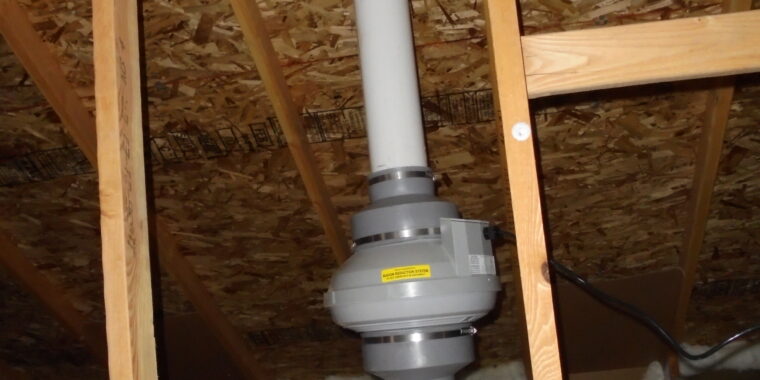
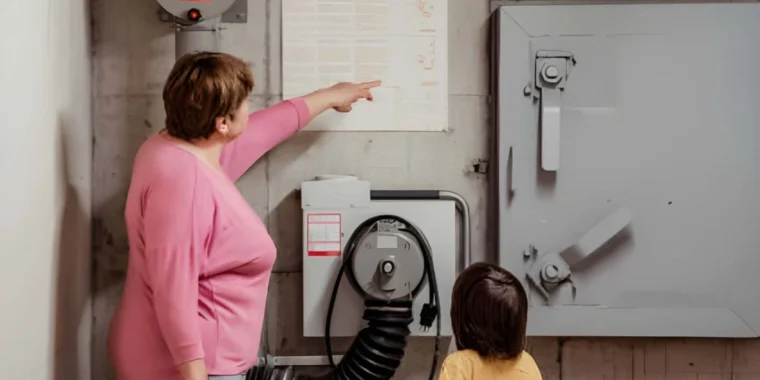
Radon mitigation systems are designed to reduce radon before it builds up inside the home. Depending on the property, mitigation may involve sub-slab depressurization, crawl space solutions, sealing, ventilation improvements, or other methods based on the home’s structure.
For homes with crawl spaces, encapsulation may also be recommended when the crawl space is contributing to moisture or soil gas movement. Since Teton Radon Services provides testing, mitigation, and crawl space encapsulation across Idaho Falls and Southeast Idaho, homeowners can move from testing to solutions with one local provider.
Schedule Professional Radon Testing in Idaho Falls
Radon is not something homeowners can detect on their own. The home may feel comfortable, look clean, and smell normal, but still have elevated radon levels. That is why radon testing in Idaho Falls is one of the most reliable ways to understand whether your home needs further action.
Whether you are buying a home, selling a property, finishing a basement, updating a crawl space, or simply checking your family’s indoor air quality, Teton Radon Services can help. Their team provides professional radon testing, mitigation, and crawl space encapsulation throughout Idaho Falls and Southeast Idaho.
Schedule professional radon testing with Teton Radon Services to get accurate results and clear next steps for your home.
Frequently Asked Questions About Radon Testing in Idaho Falls
When should I test my home for radon?
You should test your home if it has never been tested, if you are buying or selling, after renovations, after foundation or crawl space work, or if your previous test was completed several years ago. Testing is the only reliable way to know whether radon is present at elevated levels.
How often should homeowners test for radon?
Homeowners should consider testing every few years or after major changes to the home. Radon levels can change over time due to soil conditions, ventilation changes, foundation movement, and renovations.
Do homes in Idaho Falls need radon testing?
Yes. Idaho homes can have elevated radon levels, and the Idaho Department of Health and Welfare reports that 2 out of 5 Idaho homes have elevated levels. Because radon levels vary from home to home, testing is the only way to know your specific result.
Should I test for radon before buying a home?
Yes. Radon testing before buying a home can help buyers understand whether mitigation may be needed. It is especially useful during inspections because it provides important information before closing.
What radon level is considered dangerous?
The EPA recommends fixing a home when radon levels are 4 pCi/L or higher. The EPA also recommends considering action between 2 pCi/L and 4 pCi/L because there is no known safe level of radon exposure.
Can radon levels change over time?
Yes. Radon levels can change because of weather, soil movement, ventilation, remodeling, crawl space conditions, and foundation changes. This is why retesting is recommended even if a previous result was low.
Is professional radon testing better than a DIY test kit?
Professional testing is often better when you need accurate, timely, and properly documented results. DIY kits can be helpful for basic screening, but professional testing reduces placement errors and provides clearer guidance, especially for real estate, renovations, or elevated readings.
What happens if my radon test comes back high?
If your result is high, a radon professional can explain the reading and recommend the next steps. In many cases, a radon mitigation system can be installed to reduce radon levels and improve indoor air quality.